Global PV module procurement desk for utility, EPC, and C&I programs. Request bankability support
Industries

Guided PV procurement for different renewable energy project profiles.

Each solar buyer evaluates risk differently. Utility developers care about bankability and delivery scale. C&I owners care about roof constraints and business continuity. Storage-ready projects care about energy shifting assumptions. First Solar organizes support around those different decision paths.

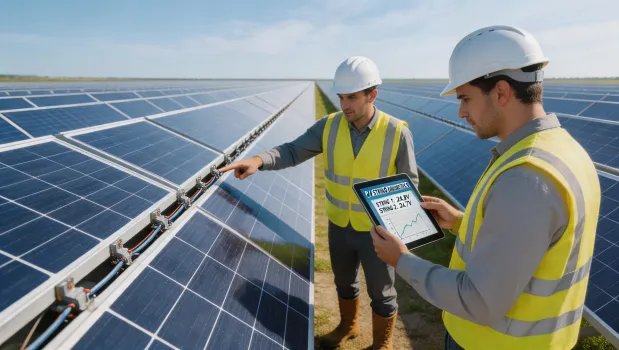
Utility solar project

Utility Developers and IPPs

Large-scale developers need a module supply path that can be reviewed by finance, engineering, insurance, and construction teams. First Solar supports project evaluation with degradation assumptions, warranty planning, certification references, packing details, and delivery coordination.

Grid scaleBankability filesDelivery staging
Commercial rooftop solar

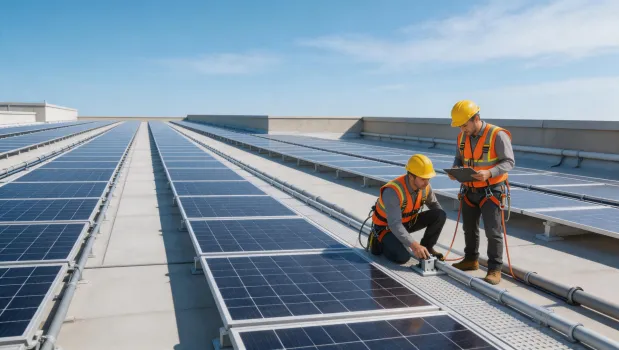
C&I Owners and EPC Firms

Commercial projects face roof loading, fire access, electrical room space, interconnection timing, and operating-hour constraints. Our documentation helps EPC teams explain module choices, BOS needs, storage readiness, and O&M boundaries to facility stakeholders.

Rooftop fitElectrical reviewFacility uptime
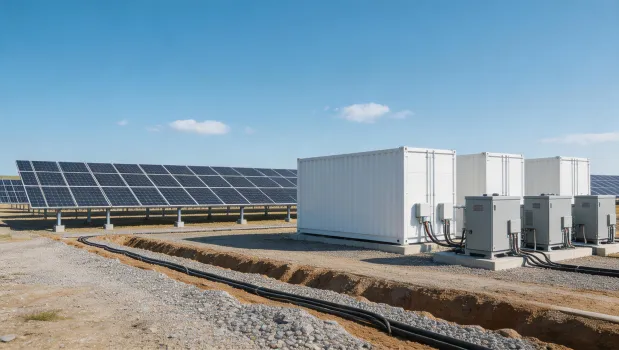
Solar plus storage system

Solar Plus Storage Programs

PV and battery storage must be evaluated together when dispatch windows, clipping strategy, charging limits, and interconnection rules affect revenue. First Solar helps buyers frame the PV module and BOS interface requirements before storage assumptions harden.

BESS interfaceEnergy shiftingDispatch model
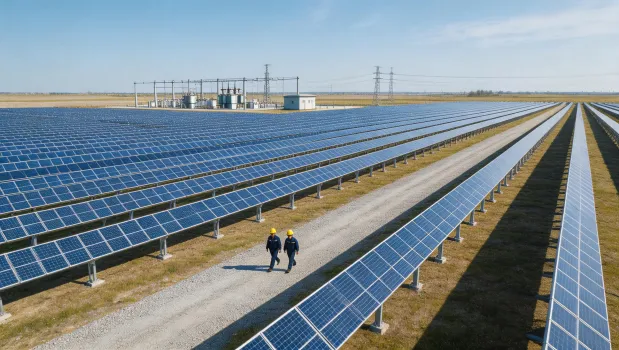
Solar operations team

Asset Operations Teams

Owners managing operating assets need consistent spares, warranty claim evidence, module handling notes, and performance expectations. We help teams turn procurement records into useful long-term reference material for O&M and asset management.

Warranty pathField recordsO&M support
Selection Guide

What to confirm before selecting a module supply path

A guided buyer process protects the project schedule. Before price comparison, teams should confirm whether the selected PV module class matches mounting method, DC block design, local code expectations, warranty strategy, and receiving capacity. They should also ask whether the supplier can explain annual degradation, year-25 retained power, certification scope, and regional compliance limits without relying on broad marketing claims.

Technical Trade-offs

TOPCon vs. HJT: the next-generation n-type cell debate

Buyers asking for n-type module supply commonly weigh TOPCon against HJT. Both are commercial in 2025 but address different constraints. We summarize the engineering trade-off here rather than advocate a single technology in every brief.

TOPCon

Compatible with upgraded PERC production lines, which keeps capital intensity and per-watt cost competitive. Mass-production cell efficiency above 25% and module power above 580 W in the 2024-2026 generation. Currently the dominant n-type capacity expansion path globally.

HJT

Theoretical efficiency ceiling close to 29% with a low-temperature symmetric process and a more favorable temperature coefficient (around -0.24 %/C). Strongest long-term path when stacked with IBC or perovskite tandem layers. Higher capex, lower yield curves still maturing.

First Solar can share IEC 61215 / IEC 61730 / UL 61730 certification files and bifacial gain measurements so the cell-technology question is ansFirst Solarred on field data.

Tell us which project profile fits your team.

Utility solar, C&I rooftops, storage-ready PV, and operating asset programs each need different levels of documentation. Share the project profile and First Solar will route the request around the right technical questions.

Please enter your name.
Please enter a valid email.
Please describe the project requirement.
Consent is required before submission.